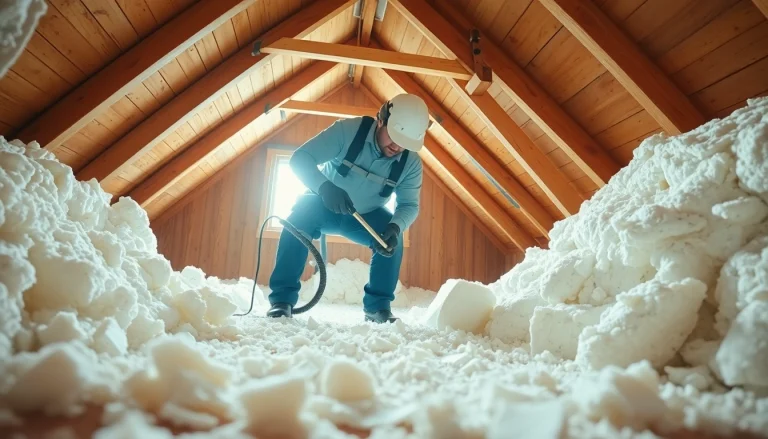










Understanding Spray Foam and Its Removal
What is Spray Foam Insulation?
Spray foam insulation is a type of insulation that is popular among homeowners and builders for its excellent thermal resistance and ability to expand upon application. Composed of a mixture of isocyanate and polyol resin, it creates a seamless barrier that effectively reduces air leaks and enhances energy efficiency. This material is applied as a liquid and then rapidly expands to fill gaps and cavities in walls, ceilings, and floors, forming a tight seal. While spray foam insulation provides many benefits, its unique properties can make removal a challenging task when necessary.
Why Removal is Necessary
There are several reasons why the removal of spray foam insulation might be necessary. Over time, improper application can result in issues such as moisture accumulation, mold growth, or structural damage. Additionally, if the building undergoes renovations or changes its purpose, the existing insulation may not be suitable. In some cases, the chemical composition of spray foam can cause adverse effects on indoor air quality. For these reasons, understanding the importance of safe and effective spray foam removal is crucial. To explore more about the process, visit spray foam removal UK.
Common Removal Challenges
Removing spray foam insulation is not as straightforward as it might seem. Some common challenges include:
- Adhesion: Spray foam adheres strongly to surfaces, making it difficult to remove without damage.
- Dust and Debris: The removal process can create a significant amount of dust, which can be harmful if inhaled.
- Containment: Properly containing the area is crucial to prevent the spread of debris and ensure environmental safety.
- Hazardous Chemicals: Some spray foams contain chemicals that can be harmful to health if not handled correctly.
Effective Techniques for Spray Foam Removal UK
Manual Removal Methods
Manual removal is often the first approach used when tackling spray foam insulation. This method involves scraping, cutting, or pulling the foam off surfaces using handheld tools. Common tools include utility knives, scrapers, and wire brushes. While manual removal can be labor-intensive, it allows for greater control over the process, reducing the risk of damaging underlying materials. Best practices include working slowly, taking care to keep surrounding areas clean, and ensuring all debris is collected for proper disposal.
Chemical Solutions: Pros and Cons
Chemical solvents are sometimes used to soften and dissolve spray foam insulation, facilitating easier removal. Chemical solutions can be effective but come with pros and cons:
- Pros: Can significantly reduce the time and effort required for removal.
- Cons: May pose health risks, require protective gear, and could damage surfaces if not used correctly. Proper ventilation and adherence to safety guidelines are critical when using these products.
Tools and Equipment Needed
The successful removal of spray foam insulation requires specific tools and equipment. Essential items include:
- Utility knives for cutting away foam.
- Scrapers for pulling off material.
- Protective eyewear and respiratory masks to safeguard against inhalation of dust and chemicals.
- Vacuum systems specifically designed to capture debris without releasing particles into the air.
- Protective drop cloths to contain the area and minimize cleanup.
Safety Precautions During Removal
Protective Gear Essentials
Given the potential hazards associated with spray foam removal, wearing appropriate personal protective equipment (PPE) is crucial. Essential PPE items include:
- Gloves to prevent skin contact with materials.
- Respirators to filter out harmful particles and vapours.
- Safety goggles to protect eyes from dust and debris.
- Coveralls to protect clothing and skin.
Ventilation and Environmental Safety
Ventilating the work area is vital during the removal process. Adequate airflow helps mitigate exposure to harmful vapours and dust, ensuring a safer working environment. Open windows and doors, use fans, and if necessary, employ air filtration devices to enhance ventilation. Additionally, it’s critical to assess the surrounding environment to prevent contamination of other living areas.
Dealing with Hazardous Materials
Many spray foam products contain hazardous components; hence, removing and disposing of them requires care. Always follow local regulations for hazardous waste disposal. Ensure proper containment of removed materials to prevent environmental contamination and consider consulting professionals if the task seems daunting.
Post-Removal Considerations
Cleaning and Disposal Procedures
Once spray foam has been removed, thorough cleaning of the area is essential. Use appropriate cleaning agents to eliminate residual foam particles and dust. For disposal, follow local guidelines as improper disposal can lead to legal repercussions and environmental harm. Packaging materials adequately before disposal minimizes any potential exposure during transportation.
Repairing Damaged Areas
Spray foam removal can often result in damage to underlying surfaces. It’s essential to assess these areas for any needed repairs, which may include patching holes, repainting, or even replacing damaged materials. Ensuring the structural integrity and appearance of these surfaces post-removal contributes significantly to the overall success of the insulation project.
Preventive Measures for the Future
To avoid the need for future spray foam removal, consider implementing preventive measures. Ensure thorough assessments of insulation needs before application and choose high-quality products that align with building requirements. Regular inspections can also help detect potential issues before they escalate into larger problems.
FAQs About Spray Foam Removal UK
How long does the removal process take?
The duration varies based on the area and the amount of foam; typically 1-3 days for residential properties.
Is spray foam removal environmentally safe?
Using proper techniques and materials ensures that the removal process minimizes environmental impact.
Can I remove spray foam myself?
While DIY is possible, hiring professionals is recommended due to safety risks and potential complications.
What are the costs associated with spray foam removal?
Costs vary based on location and property size; expect anywhere from £400 to £1000 for services.
What happens after the foam is removed?
Once removed, surfaces need cleaning, potential repairs done, and choices for new insulation can be considered.