







Understanding Event Concepts
The Essentials of Event Planning
Event planning is a multifaceted discipline that involves organizing a purposeful gathering. The essentials of event planning begin with understanding the objectives, target audience, and logistical components. From corporate events to personal celebrations, each requires a tailored approach to meet specific goals. Effective event planning encompasses meticulous attention to detail, ensuring every aspect aligns with the broader vision.
At the core of successful planning is a comprehensive checklist that acts as a roadmap. This includes setting clear goals, establishing timelines, and identifying key stakeholders. For instance, are you aiming to boost team morale, network with industry leaders, or celebrate a milestone? For further insights, check https://www.casablancahire.co.uk/ to explore how professional services can elevate your event experience.
Types of Events and What They Require
Different types of events require distinct considerations and methodologies. Here’s a breakdown of some common types:
- Corporate Events: Includes conferences, seminars, and product launches, which necessitate comprehensive planning with a focus on branding, networking, and professional engagement.
- Social Events: Weddings, birthday parties, and anniversaries typically prioritize guest comfort and enjoyment, demanding a vibrant atmosphere and meticulous detail.
- Fundraising Events: Galas, charity auctions, and walkathons require a strong outreach strategy to maximize engagement and donations while maintaining transparency regarding the cause.
- Sporting Events: These require extensive coordination for logistics, safety, and hospitality, ensuring a smooth experience for participants and spectators alike.
Understanding these distinctions allows event planners to tailor their strategies, ensuring every detail aligns with the event’s purpose.
Establishing a Theme for Your Event
The theme of an event sets the tone and atmosphere, guiding all subsequent decisions. A well-chosen theme can elevate an ordinary event into an extraordinary experience. Popular themes can range from seasonal motifs, color palettes to cultural inspirations. For instance, a classic black and white theme for a formal corporate gala creates an ambiance of sophistication, while a carnival theme for a charity event might encourage a more playful, engaging environment.
When selecting a theme, consider the interests and demographics of your audience. The theme should resonate with the attendees and serve the event’s purpose effectively, reflecting its goal while engaging participants.
Preparing for Your Event
Budgeting and Resource Allocation
Budgeting is perhaps the most critical aspect of event preparation, dictating the overall scope and feasibility of your event. Calculating a realistic budget entails identifying fixed and variable costs, which may include venue rental, catering, decor, technology, and marketing. A transparent allocation of resources helps in minimizing unexpected expenses, keeping the project within scope.
In addition, creating a detailed budget tracking system can streamline the process. Some planners find it beneficial to have contingency funds to cover unforeseen expenses, typically around 10-15% of the total budget, ensuring that last-minute changes don’t derail the overall planning effort.
Choosing the Right Venue
The venue of an event can significantly impact its success. Factors to consider when selecting a venue include location, capacity, amenities, accessibility, and the facility’s ambiance. Furthermore, the venue should align with the event’s purpose and theme, serving as a backdrop for the audience’s experience. For example, a luxurious hotel ballroom may suit a formal corporate gala, whereas an outdoor park could be perfect for a family-friendly festival.
It is crucial to visit potential venues to assess their suitability firsthand. Engage with facility managers to understand their offerings, schedule constraints, and organizational policies regarding event support. This engagement will help to determine the potential for collaboration.
Catering Options to Consider
Catering plays a vital role in guest satisfaction and overall event experience. The selection of appropriate food and beverage options depends on several factors, including the type of event, attendees’ dietary restrictions, and service style (buffet, plated, or family-style). Establishing a solid catering plan requires collaboration with reputable catering services to ensure quality and timely service.
Additionally, sampling menu options ahead of time can help not only in deciding but also in impressing your stakeholders. Don’t forget to consider refreshments for early-morning events or late-night gatherings, as these can greatly influence attendee experience.
Implementing the Event
Timeline and Project Management
Creating a detailed timeline is essential for keeping your event on track. An effective timeline outlines every phase of the event planning process, from initial brainstorming to post-event evaluation. Utilizing project management tools can help streamline communication, task assignment, and status tracking among team members.
Consider employing event planning software that allows for collaboration, updates, and integration of deadlines. This adaptability ensures all involved parties stay in sync, thereby minimizing the risk of miscommunication or oversight.
Staffing and Volunteer Coordination
A successful event often hinges on the effectiveness of the staff and volunteers involved. Begin by assessing the number of personnel required for execution, including security, registration, catering, and technical support. Creating clear roles and responsibilities ensures that everyone understands their tasks.
Training sessions are vital for volunteers and staff to familiarize them with event protocols, allowing for a seamless execution on the day of the event. This preparation not only enhances guest experience but also builds confidence among the team.
Technology in Event Planning
Incorporating technology into event planning and execution enhances operational efficiency and guest engagement. From registration automation systems to live streaming options, technology facilitates a smoother experience for planners and attendees alike. Always consider using event management platforms that enhance communication, ticketing, and schedule management to streamline planning efforts. Apps for audience interaction, such as real-time polls or Q&A, can also significantly heighten audience engagement.
Enhancing Guest Experience
Creating Atmosphere with Decor
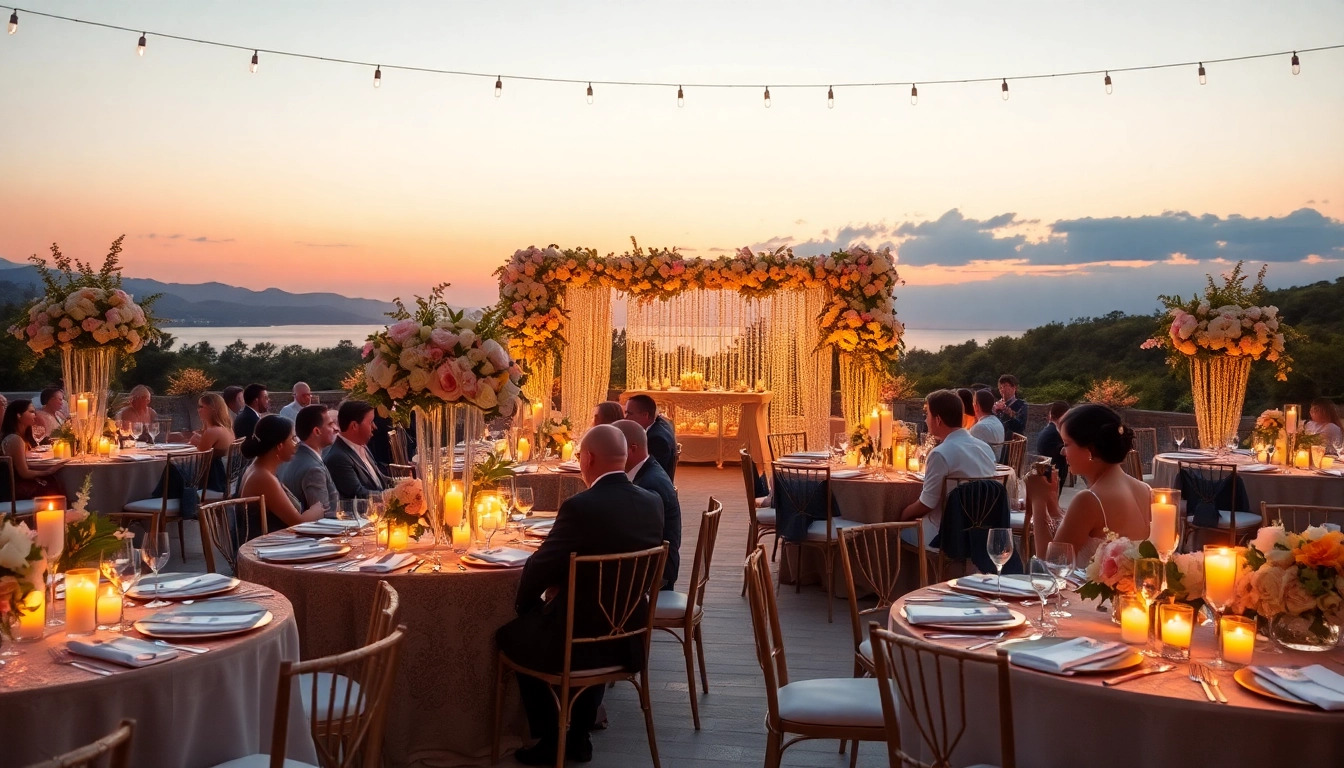
The decor of an event is critical in creating the desired atmosphere and reinforcing the event’s theme. A cohesive aesthetic approach, from lighting and table settings to floral arrangements, can significantly influence attendees’ emotional responses and overall enjoyment. For instance, warm lighting can create an inviting atmosphere, while bright colors evoke energy and excitement.
Consider unique elements that could set your event apart; interactive decor, personalized touches, or even themed photo booths can create memorable moments for guests.
Engaging Activities for Attendees
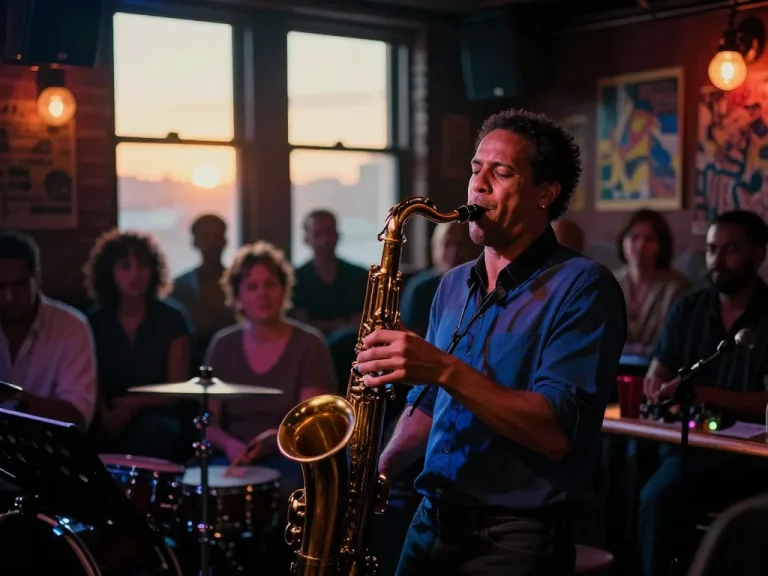
Providing engaging activities during the event keeps guests entertained and fosters connection. Options can include icebreakers, contests, workshops, or performances. Tailoring these activities to the audience’s interests is pivotal; for example, interactive group exercises encourage teamwork, while live entertainment can captivate audience attention. Ensure that whatever activities are incorporated complement the event’s purpose and facilitate attendee interaction.
Follow-Up Strategies Post-Event
Post-event follow-up is crucial for maintaining connections and gauging the event’s success. Consider sending personalized thank-you notes, sharing event highlights, or inviting feedback through surveys. This ongoing communication fosters relationships and can enlighten future event planning with valuable insights.
Utilizing social media platforms to encourage attendees to share their experiences and photos can further extend your event’s reach and engagement long after it concludes.
Evaluating Event Success
Metrics to Measure Effectiveness
Evaluating the success of an event relies on a variety of metrics that gauge different aspects of performance. Common metrics include attendance numbers, engagement levels (such as participation in activities), and financial outcomes (profit vs. expenditure). Identifying clear KPIs before the event helps to establish a framework for evaluation after it concludes.
Tracking other aspects, such as social media engagement and participant feedback, enriches your understanding of the event’s impact, allowing for actionable insights.
Gathering Feedback from Guests
Feedback is invaluable in understanding how well the event met its objectives. Surveys can be a useful tool for collecting participant insights; consider both quantitative (ratings) and qualitative (open-ended responses) measures to capture a comprehensive range of opinions.
Encouraging real-time feedback through polling or suggestion boxes also facilitates immediate improvement and demonstrates a commitment to attendee perspectives.
Improving Future Events
Utilizing data from past events can lead to continuous improvement when planning future gatherings. Analyze the feedback, performance metrics, and overall experience to identify areas for enhancement. Discussing outcomes with your team can surface new ideas and strategies that ensure subsequent events resonate with the intended audience.
By celebrating successes and learning from challenges, you position your future events for increased impact and engagement.
Frequently Asked Questions
What are the first steps in event planning?
Begin by identifying the event’s purpose, defining your target audience, setting a budget, and outlining the logistical requirements. Establish a detailed checklist to streamline the planning process.
How important is event theme?
The event theme is crucial as it shapes the overall atmosphere and influences decisions regarding decor, activities, and marketing. A well-selected theme can enhance guest engagement and create a memorable experience.
How can technology improve my event?
Utilizing technology, such as event management software, can automate registrations, foster real-time communication, and enhance audience engagement through interactive tools. These technologies contribute to smoother operations and improved guest experiences.
What should I include in a post-event follow-up?
In your follow-up, send thank-you notes, share highlights from the event, and request feedback through surveys. Engaging with attendees post-event fosters relationships and can inform future event planning.
What metrics should I track to evaluate event success?
Key metrics include attendance rates, engagement levels during activities, financial outcomes, and feedback from attendees. Measuring these aspects helps gauge event effectiveness and identify areas for improvement.