








Introduction to Sliding Shower Doors
Showering should be a peaceful and refreshing experience, and the choice of shower door plays a significant role in enhancing that experience. Among the myriad options available, sliding shower doors have emerged as a popular choice for both modern and traditional bathrooms. In this article, we will explore everything you need to know about sliding shower doors, from their benefits and materials to installation tips and maintenance strategies.
What Are Sliding Shower Doors?
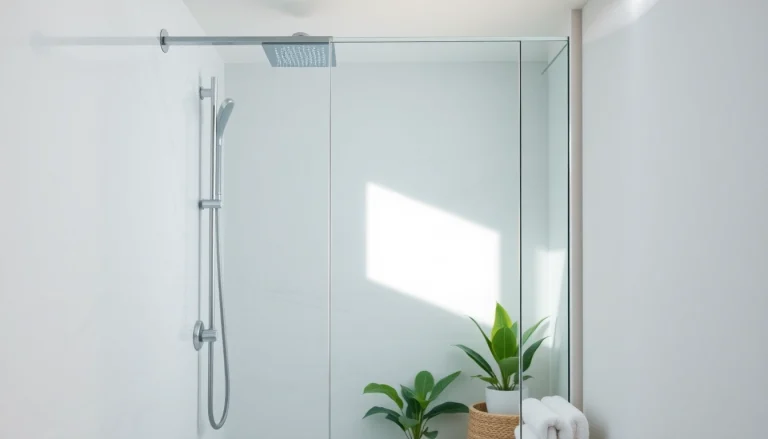
Sliding shower doors are a type of shower enclosure that operates by sliding along a track. They consist of one or more panels that glide horizontally, allowing for easy access to the shower area without the need for a swinging motion. This design is particularly beneficial in smaller bathrooms where space is at a premium, making sliding shower doors an ideal solution for maximizing usability while maintaining a sleek aesthetic.
Benefits of Choosing Sliding Shower Doors
Several advantages make sliding shower doors an appealing choice:
- Space Efficiency: Their design allows for easy access in tight spaces, freeing up floor area, which is crucial in smaller bathrooms.
- Modern Aesthetic: Sliding doors offer a contemporary look, enhancing the overall design of your bathroom without clutter.
- Low Maintenance: They are generally easier to clean compared to other styles, particularly frameless options.
- Versatility: Available in various styles, sizes, and materials, sliding shower doors can be customized to fit any design scheme.
Common Materials Used in Sliding Shower Doors
Various materials are utilized in the construction of sliding shower doors, each offering distinct advantages:
- Glass: The most popular choice, glass allows light to flow while providing a sense of openness. Tempered glass is often used for its strength and safety.
- Aluminum: Lightweight and resistant to corrosion, aluminum frames provide durability for framed shower doors.
- Plastic or Acrylic: These materials are often more affordable and lighter than glass, though they may require more maintenance over time.
- Wood: While not as common, some designs integrate wood elements, typically paired with glass for a unique aesthetic.
Choosing the Right Style for Your Bathroom
The style of sliding shower doors can greatly impact the look and feel of your bathroom. Choosing the right option involves considering various factors and aesthetics.
Modern vs. Traditional Sliding Shower Doors
When selecting sliding shower doors, it’s important to determine whether a modern or traditional design better suits your bathroom:
- Modern Styles: These typically feature clean lines, minimalist frames, and large glass panels that enhance the feeling of spaciousness. Frameless designs are particularly popular in contemporary bathrooms.
- Traditional Styles: Traditional sliding doors often include more decorative elements, such as ornate frame designs and patterned glass. They work well in retro-inspired or classic bathroom themes.
Framed vs. Frameless Sliding Shower Doors
Another key consideration is the choice between framed and frameless sliding shower doors:
- Framed Doors: These doors feature a metal frame that supports the glass panels. They tend to be more robust and sometimes more affordable, making them a good choice if budget is a concern.
- Frameless Doors: Offering a sleek and modern look, frameless doors typically use thicker glass and rely on hinges, clamps, and connectors rather than a frame. They enable easier cleaning and create a seamless look.
Factors to Consider for Style Selection
When selecting the style for your sliding shower doors, consider the following factors:
- Space Available: Measure your shower area and consider how the door will function in the space available.
- Overall Bathroom Design: Ensure the door complements existing fixtures and décor within your bathroom.
- Budget: Determine how much you are willing to spend, as prices can vary significantly based on style and materials.
Installation Tips for Sliding Shower Doors
Once you have chosen your ideal sliding shower doors, it’s essential to ensure proper installation. Here we outline key preparation steps and a detailed installation guide.
Preparation for Installation
Before you begin installation, gather all necessary materials, including tools and installation hardware. Here is an essential checklist:
- Measuring tape
- Level
- Drill and drill bits
- Screwdriver
- Stud finder (if necessary)
- Silicone sealant
Step-by-Step Installation Guide
Follow these steps to install sliding shower doors effectively:
- Measure the Shower Area: Ensure accurate measurements of the height and width required based on the manufacturer’s specifications.
- Install the Track: Position and secure the track to the top of the shower enclosure, ensuring it is perfectly level.
- Mount the Rollers: Attach rollers to the top of the sliding panels according to the instructions provided.
- Hang the Doors: Lift the panels onto the track and ensure they slide smoothly.
- Seal Edges: Apply silicone sealant along the edges where water might escape, ensuring a watertight fit.
Common Mistakes to Avoid
While installing sliding shower doors, avoid the following common pitfalls:
- Not measuring correctly, leading to ill-fitting doors.
- Forgetting to level the track, which can cause sliding problems.
- Neglecting to apply sealant, which can cause leaks over time.
Maintenance and Care for Sliding Shower Doors
To ensure the longevity and functionality of your sliding shower doors, regular maintenance is crucial. Below are essential care tips and common issues to address.
Cleaning Techniques for Optimal Longevity
Maintaining clean sliding shower doors is essential for aesthetics and functionality. Here are some cleaning techniques:
- Regular Wiping: Wipe down the doors after each use to prevent soap scum and mineral build-up.
- Deep Cleaning: Use vinegar and baking soda for a natural cleaning solution to tackle stubborn stains.
- Glass Cleaner: Use a non-abrasive glass cleaner to polish and shine your doors.
Preventing Common Issues
Preventing issues like sticking doors or mold growth can save you from frustrating repairs:
- Lubrication: Regularly lubricate roller tracks to prevent sticking.
- Ventilation: Ensure proper bathroom ventilation to minimize mold growth.
- Inspect for Wear: Regularly check hardware for wear and tear, replacing components as needed.
When to Call a Professional
If you encounter issues beyond regular maintenance, such as significant leaks or damaged tracks, it may be time to consult a professional. Signs to call a specialist include:
- Difficulty in moving the sliding doors.
- Visible cracks in the glass panels.
- Persistent leaking even after maintenance.
FAQs About Sliding Shower Doors
What Are the Advantages of Sliding Shower Doors?
Sliding shower doors maximize space, offer a modern aesthetic, require minimal maintenance, and are versatile in style and size.
How Do I Measure for sliding shower doors?
Measure the width and height of your shower space accurately, accounting for the presence of a track or any obstructions.
Can I Install sliding shower doors Myself?
Yes, with the right tools and instructions, you can install sliding shower doors yourself. However, ensure proper measurements and level installations.
How Do I Clean sliding shower doors?
Wipe doors after each use and occasionally perform a deep cleaning using vinegar, baking soda, and a non-abrasive glass cleaner.
What Should I Do If My sliding shower doors are Sticking?
Lubricate the tracks with a silicone spray and ensure that the rollers are functioning correctly to fix sticking issues.