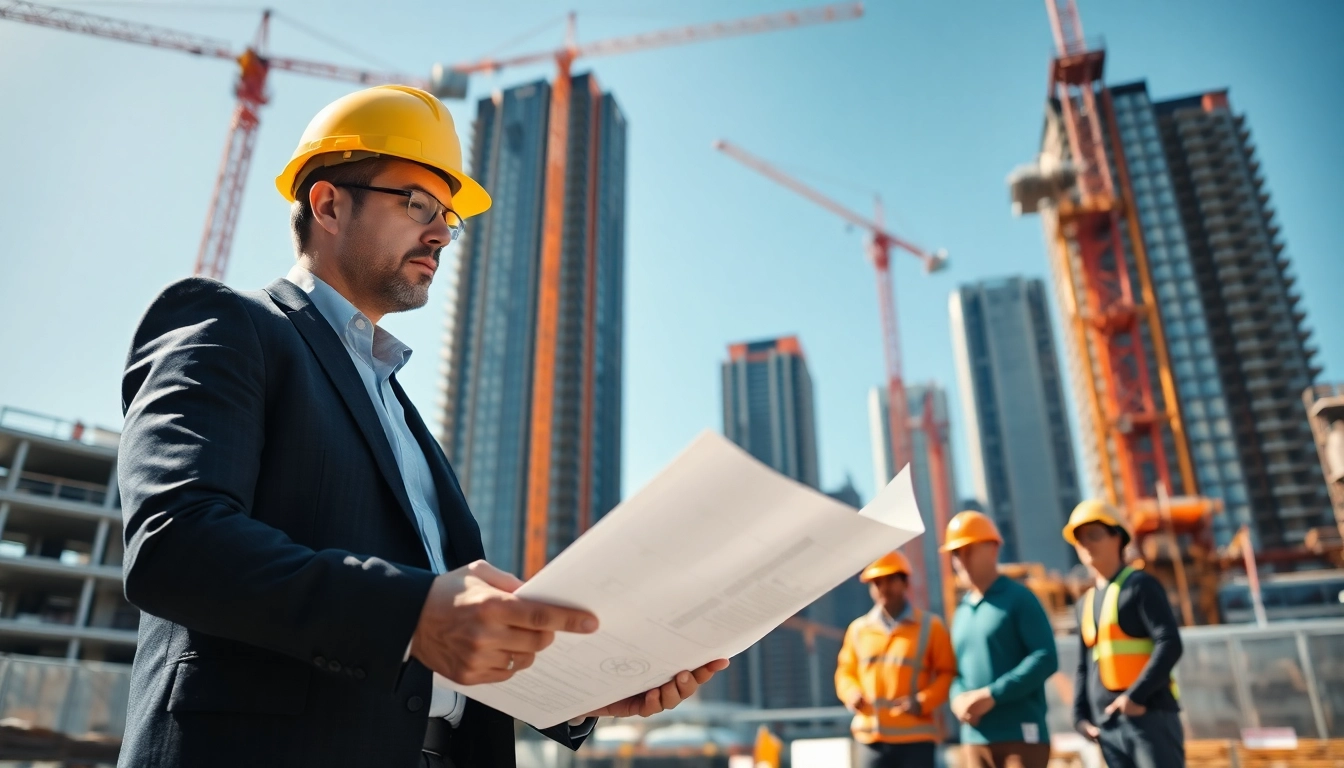
Understanding the Role of a Manhattan Construction Manager
What is a Manhattan Construction Manager?
The role of a Manhattan Construction Manager is pivotal in the dynamic landscape of urban development. This professional is responsible for the planning, execution, and completion of construction projects in Manhattan, ensuring they align with budgetary, regulatory, and design specifications. The Manhattan Construction Manager serves as a central figure, bridging the gap between various stakeholders, from clients to contractors, suppliers, and regulatory bodies. Their expertise is instrumental in navigating the complexities of building within a bustling urban environment, where space is limited, and demands are high. If you're looking to gain an insight into the nuances of project management in such a unique setting, understanding the role of a Manhattan Construction Manager is crucial.
Key Responsibilities and Skills
A Manhattan Construction Manager wears many hats and must possess a diverse skill set to effectively lead projects. Their primary responsibilities include:
- Project Planning: Developing timelines, budgets, and project scopes.
- Resource Management: Allocating labor and materials efficiently to optimize productivity.
- Quality Control: Ensuring that work meets the required standards and specifications.
- Communication: Maintaining effective communication between all stakeholders to align project goals.
- Risk Management: Identifying potential risks and developing strategies to mitigate them.
Essential skills include strong leadership, negotiation abilities, comprehensive knowledge of construction methods and materials, and proficiency in project management software. The combination of these responsibilities and skills enables a Manhattan Construction Manager to steer projects toward successful outcomes in one of the world’s most challenging construction environments.
The Importance of Urban Construction Management
Urban construction management is vital for several reasons. Firstly, it supports the burgeoning population of cities like Manhattan by ensuring the development of residential, commercial, and public infrastructure. Secondly, effective urban construction management enhances economic growth by creating jobs, fostering local businesses, and attracting investments. Moreover, it plays a crucial role in urban sustainability, where construction managers are increasingly tasked with implementing green building practices that minimize environmental impact while maximizing energy efficiency. As cities evolve, the responsibilities of the Manhattan Construction Manager will continuously adapt to meet these growing demands.
Key Challenges in Manhattan Construction Management
Navigating Regulatory Compliance
One of the primary challenges a Manhattan Construction Manager faces is the complex web of regulatory compliance. New York City has stringent zoning laws, building codes, and environmental regulations that must be adhered to. Navigating these requirements involves understanding various legal frameworks and working closely with city planners, architects, and engineers. The ability to interpret and implement regulatory changes promptly can significantly affect project timelines and budgets.
Managing Diverse Stakeholders
Effective stakeholder management is another key challenge. A construction project in Manhattan typically involves numerous stakeholders, including clients, architects, subcontractors, and community representatives. Balancing these diverse interests requires exceptional communication skills, the ability to negotiate conflicting priorities, and a knack for conflict resolution. A construction manager must create an environment where all parties can voice their concerns while ensuring the project stays on track.
Addressing Environmental Concerns
The need for sustainable practices has brought environmental concerns to the forefront of urban construction. Manhattan Construction Managers must address issues like waste management, emissions, and energy use in their planning and operations. Implementing eco-friendly materials and methods not only complies with regulations but can also enhance a project's appeal to environmentally-conscious investors and customers. Finding innovative solutions to minimize the ecological footprint of construction projects is an integral part of the role.
Best Practices for Effective Coordination
Utilizing Project Management Tools
Modern construction managers leverage technology to streamline operations. Various project management tools are available that help in scheduling, budgeting, and resource allocation. Software platforms like BIM (Building Information Modeling) facilitate visualizing the project in 3D, improving collaboration among stakeholders. Utilizing these technologies allows for better tracking of project progress and helps to identify potential issues before they escalate.
Establishing Clear Communication Channels
Establishing clear lines of communication is vital to avoid misunderstandings that can lead to costly delays. Regular meetings, updates, and the use of communication platforms ensure that everyone involved in the project is on the same page. Encouraging open dialogue and providing platforms for feedback can improve project outcomes and foster a positive work environment.
Implementing Safety Protocols
Safety is paramount in construction. Manhattan Construction Managers must instill a strong culture of safety on-site, which can be achieved through training programs and stringent safety protocols. Regular safety audits ensure compliance with local regulations and help to prevent accidents, ultimately protecting workers and the project’s budget. Emphasizing safety not only ensures compliance but also boosts morale and productivity among workers.
Case Studies of Successful Projects
Iconic Developments in Manhattan
Several iconic structures in Manhattan stand as testaments to the skilled work of construction managers. For instance, the rejuvenation of the High Line, an elevated linear park built on a former railway line, involved overcoming numerous logistical challenges in a densely populated area. The project showcased innovative engineering and a strong commitment to community engagement, setting a precedent in urban revitalization.
Lessons Learned from Major Challenges
Every challenge presents a learning opportunity. The construction of One World Trade Center faced numerous obstacles, including safety concerns, budget overruns, and community scrutiny. The lessons learned from these challenges have shaped better practices in project management and stakeholder engagement, emphasizing the need for adaptability and resilience in urban construction.
Innovative Solutions in Urban Construction
Innovation is at the heart of successful urban construction. Techniques such as modular construction and 3D printing are revolutionizing the industry by allowing for faster build times and reducing waste. By embracing these technologies, Manhattan Construction Managers can lead projects that not only meet the demands of modern cities but also set new standards in efficiency and sustainability.
Measuring Performance and Success
Key Performance Indicators for Projects
To gauge a project’s success, establishing Key Performance Indicators (KPIs) is essential. Metrics such as project completion time, budget adherence, and quality of work can provide valuable insights into the efficiency of the construction process. Regular reviews and analysis of these indicators allow managers to identify areas for improvement and ensure that projects meet their goals.
Feedback Mechanisms and Continuous Improvement
Implementing feedback mechanisms is critical to fostering continuous improvement. Soliciting input from stakeholders throughout the project lifecycle provides valuable insights that can enhance future projects. Post-project evaluations enable construction managers to assess what worked well and what didn’t, thereby refining processes and strategies for better outcomes in the future.
Future Trends in Construction Management
The future of construction management in urban environments is set to be shaped by technology, sustainability, and collaboration. Trends such as smart building technologies and increased automation are expected to redefine the roles of construction managers. Moreover, the focus on green building practices will continue to grow, prompting construction managers to adapt to evolving environmental regulations and client preferences.
FAQs
What qualifications are needed to become a Manhattan Construction Manager?
A Manhattan Construction Manager typically requires a degree in construction management, engineering, or architecture alongside relevant experience in the field.
How does a Construction Manager collaborate with contractors?
Collaboration involves establishing clear communication, holding regular meetings, and setting defined expectations to ensure timely project completion.
What are common challenges faced by Manhattan Construction Managers?
Common challenges include managing regulatory compliance, addressing environmental concerns, and coordinating diverse teams with varying expertise.
What tools can help a Manhattan Construction Manager?
Tools like project management software, scheduling applications, and communication platforms enhance coordination, efficiency, and oversight throughout the construction process.
What is the future of construction management in urban settings?
The future focuses on sustainability, technological integration, and innovative building practices to meet the increasing demands of urban living and development.