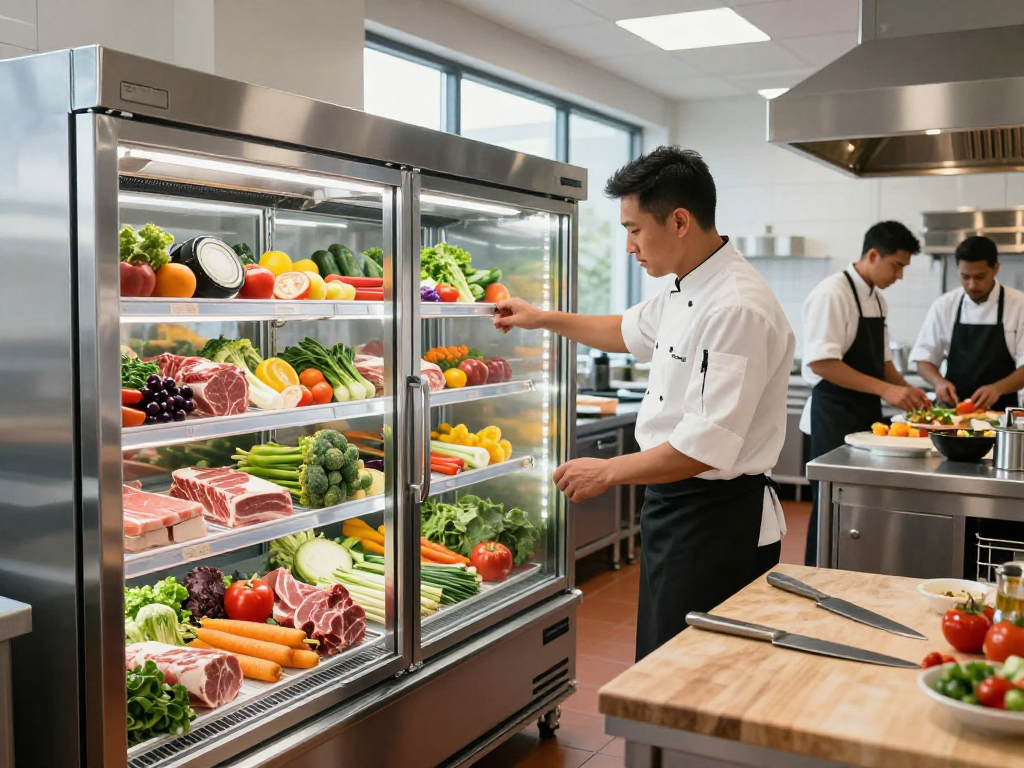
The Importance of Commercial Refrigeration in the Restaurant Industry
In the bustling world of the restaurant industry, commercial refrigeration is not just an asset; it’s a necessity. The ability to store food safely and efficiently directly impacts not only food safety and quality but also the overall operational efficiency of a restaurant. This article delves into why commercial refrigeration is vital, its role in ensuring compliance with safety regulations, and how it significantly affects customer satisfaction and operational costs.
Understanding the Role of Refrigeration in Food Safety
Food safety is paramount for any food service establishment, and commercial refrigeration plays a critical role in maintaining safe food temperatures. According to the CDC, improper refrigeration can lead to foodborne illnesses, which can damage a restaurant's reputation irreparably. Keeping foods at safe temperatures (below 40°F) significantly minimizes the risk of bacterial growth. Regularly monitoring refrigeration temperatures is essential, and many establishments are moving towards smart technology that allows for real-time temperature tracking and alerts. When exploring options, Commercial Refrigeration provides comprehensive insights into the best equipment tailored for safety and efficiency.
How Commercial Refrigeration Impacts Food Quality
Aside from safety, the quality of food served can hinge on the effectiveness of refrigeration systems. Fresh ingredients require precise temperature control to retain their texture, flavor, and nutritional value. For instance, vegetables stored in optimal conditions can remain crisp and vibrant, enhancing the dining experience. Additionally, the presentation of dishes, which often relies on fresh ingredients, can be significantly diminished if refrigeration systems fail to perform optimally.
Key Regulations and Compliance Standards
Compliance with food safety regulations is paramount in the restaurant industry, and commercial refrigeration systems must adhere to strict guidelines set forth by health departments. Regulations may vary by location but generally include maintaining certain temperature thresholds, proper signage for storage areas, and regular maintenance to ensure equipment is functioning correctly. Understanding the local guidelines and incorporating compliance checks into regular business operations can protect against fines and keep customers safe.
Choosing the Right Commercial Refrigeration Equipment
Selecting the appropriate commercial refrigeration equipment is crucial for any restaurant owner. The right choice can enhance efficiency, reduce waste, and improve food safety. Factors such as the type of establishment, menu offerings, and budget should guide the selection process.
Types of Commercial Refrigeration: Freezers vs. Refrigerators
Understanding the differences between freezers and refrigerators is vital. Freezers are essential for long-term storage of perishables, particularly meat and bulk items, while refrigerators are used for fresh produce, dairy, and beverages. Each type of equipment comes in various sizes and configurations, such as reach-in units, walk-in coolers, and display cases, which should be evaluated based on space constraints and accessibility within your kitchen layout.
Factors to Consider When Selecting Equipment
When choosing refrigeration units, consider several factors, including:
- Size: Ensure your equipment fits within the designated kitchen space while allowing for proper air circulation.
- Capacity: Analyze your storage needs based on menu offerings and peak service times.
- Durability: Opt for units that withstand heavy use and can be easily maintained.
- Temperature Control: Look for systems that offer precise temperature control for various food types.
Energy Efficiency and Cost-Effectiveness
Energy-efficient refrigeration systems can significantly reduce utility costs while minimizing the environmental impact of your restaurant. Look for Energy Star-rated equipment, which meets strict energy efficiency guidelines. Additionally, consider the long-term costs, as higher upfront investments in energy-efficient technology can lead to substantial savings over the lifespan of the equipment.
Best Practices for Maintaining Commercial Refrigeration Systems
Proper maintenance of refrigeration systems is essential to ensure longevity, efficiency, and compliance with health regulations. Implementing routine checks can prevent costly breakdowns and keep your operation running smoothly.
Regular Maintenance Schedules and Checklists
Creating a regular maintenance schedule is an effective strategy for keeping refrigeration units in optimal condition. This should include:
- Monthly cleaning of condenser coils to prevent dirt buildup and improve efficiency.
- Checking door seals for leaks that could lead to temperature fluctuations.
- Ensuring that temperature gauges are accurate and functioning properly.
Common Issues and How to Troubleshoot Them
Restaurant operators should be familiar with common refrigeration issues, such as:
- Inconsistent temperatures: Check for obstructions in airflow and ensure that the thermostat is set correctly.
- Unusual noises: These may indicate a problem with the compressor or fan and should be investigated promptly.
- Frost buildup: Excessive frost can hinder cooling efficiency; check door seals and remove ice buildup regularly.
When to Seek Professional Help
While many minor issues can be resolved in-house, knowing when to call in a professional is crucial. If you notice persistent problems that affect temperature stability or efficiency, it’s best to consult a licensed technician. Regular professional inspections can also help identify issues before they escalate, saving you time and money in the long run.
Innovations in Commercial Refrigeration Technology
The landscape of commercial refrigeration is rapidly evolving, driven by technological advancements that enhance efficiency, sustainability, and user experience.
Emerging Trends for 2026 and Beyond
As we look towards 2026, several innovative trends are shaping the future of commercial refrigeration:
- Eco-Friendly Refrigerants: The shift towards environmentally friendly refrigerants is becoming standard as regulations shift and consumer preference grows.
- Modular Refrigeration: Modular systems allow businesses to customize their refrigeration solutions as they scale, improving flexibility.
- Advanced Monitoring Systems: IoT technology enables real-time monitoring and data analysis for better decision-making regarding food safety and operational efficiency.
Smart Refrigeration Solutions and IoT Integration
Smart refrigeration units equipped with IoT capabilities can automatically adjust temperatures and provide alerts for maintenance needs, which enhances efficiency. These systems allow restaurant owners to monitor their refrigeration conditions remotely and receive notifications about potential issues, thereby ensuring operational integrity.
Case Studies of Successful Implementations
Many establishments have successfully integrated advanced refrigeration technologies. For example, a bustling city restaurant implemented IoT-enabled refrigeration systems, which led to a 20% reduction in energy costs while maintaining food quality. This not only enhanced their sustainability profile but also significantly improved their bottom line.
Measuring the Success of Your Commercial Refrigeration Setup
To truly gauge the effectiveness of your commercial refrigeration system, certain metrics should be monitored closely. Understanding how to measure these performance indicators can drive continuous improvement.
Key Performance Indicators to Monitor
Some essential KPIs include:
- Energy Consumption: Track your energy bills to identify spikes that might indicate inefficiencies.
- Temperature Variance: Consistently monitor temperature logs to ensure compliance with food safety standards.
- Equipment Downtime: Keep records of any periods when equipment is inoperable to assess overall reliability.
Feedback and Adjustments for Optimal Functionality
Soliciting feedback from staff regarding refrigeration performance can reveal issues that may not be evident through monitoring alone. Regularly review feedback and make adjustments to maintenance schedules or equipment settings to ensure optimal functionality.
Future-Proofing Your Refrigeration Choices
As technology advances and environmental concerns become more pressing, it is imperative to consider future-proofing your refrigeration choices. Investing in scalable, energy-efficient, and easy-to-maintain equipment will ensure you remain competitive in a changing market landscape.
What is the average lifespan of commercial refrigeration equipment?
Typically, commercial refrigeration units can last between 10 to 20 years, depending on usage and maintenance. However, components like compressors may wear out faster and may require replacement or repairs to extend the unit's overall life.
How often should I maintain my refrigeration systems?
Regular maintenance is recommended at least twice a year, but monthly checks are advisable for high-use establishments to ensure reliability and compliance with health codes.
What are the signs I need to replace my refrigeration unit?
Signs include frequent breakdowns, rising energy bills, and ineffective cooling. If repairs become costly or frequent, it may be time to consider replacement.
Can commercial refrigeration systems affect my energy bills?
Absolutely. Inefficient refrigeration systems can lead to higher energy consumption, thus increasing your bills. Investing in energy-efficient models can lead to substantial savings over time.
What innovations should I look for in refrigeration technology?
Businesses should look for advancements such as eco-friendly refrigerants, IoT-enabled monitoring, and energy-efficient components that contribute to lower operational costs and enhanced environmental responsibility.